

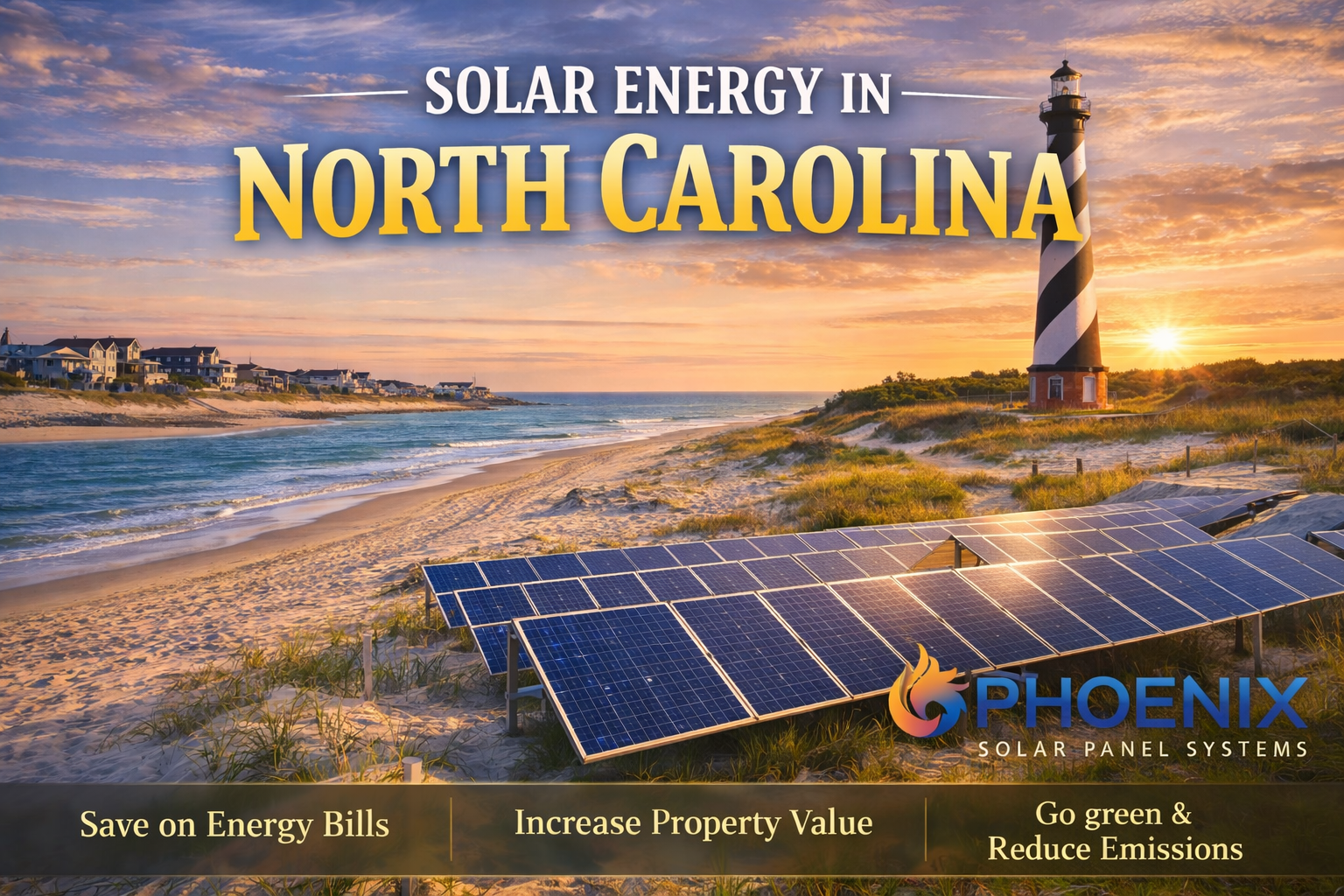
Solar panels are transforming energy use in North Carolina. The state is a leader in solar energy production.
With abundant sunshine, North Carolina is perfect for harnessing solar power. This renewable energy source offers numerous benefits.
Homeowners and businesses can enjoy significant savings on electricity bills. Solar panels also increase property value and provide energy independence.
Financial incentives make solar panel installation more affordable. State and federal programs offer tax credits and rebates.
Switching to solar energy helps reduce carbon footprints. It supports environmental sustainability and decreases reliance on fossil fuels.

Why North Carolina Is Ideal for Solar Energy
North Carolina’s climate favors solar energy production. With ample sunshine throughout the year, it maximizes solar panel efficiency.
The state’s geography supports diverse solar installations. From urban rooftops to rural properties, solar panels can fit various locations.
North Carolina’s policy landscape is supportive. The Renewable Energy and Energy Efficiency Portfolio Standard promotes solar growth.
Local initiatives and incentives encourage more people to go solar. These policies make North Carolina a preferred location for solar investment.
Consider these factors that make North Carolina ideal:
- Ample sunlight year-round
- Supportive state policies
- Varied installation options
- Growing solar market
- Strong community interest
The solar market in North Carolina is expanding rapidly. More installations occur each year, supported by a network of skilled professionals.

Financial Benefits: Savings and Incentives
Installing solar panels in North Carolina provides significant financial advantages. Homeowners notice substantial savings on electricity bills. This reduction in expenses can be substantial over time.
Energy cost savings aren’t the only financial perks. Solar panels can increase property values, offering long-term returns. Properties with solar installations often sell faster and at higher prices.
North Carolina encourages solar adoption through various incentives. These programs make solar investments more accessible and affordable. Understanding available incentives can maximize your financial benefits.
Here’s a look at financial advantages of solar:
- Electricity bill reductions
- Increased property value
- Short investment payback period
- State and federal incentives
- Long-term energy savings
Solar panels offer impressive returns on investment. In many cases, homeowners recover their installation costs within several years. This is due to both savings on bills and incentives.
Additionally, North Carolina supports net metering. This policy allows selling excess solar energy back to the grid, generating additional savings.
Investing in solar is also a hedge against rising energy costs. As utility prices climb, solar panel owners remain unaffected, enjoying stable energy expenses.

NC Solar Incentives and Rebates
North Carolina offers various incentives to promote solar adoption. These programs aim to reduce installation costs for homeowners and businesses. Understanding these can significantly benefit solar investors.
State-based incentives include rebates and tax credits. These reduce initial outlay, making solar more feasible for many.
Available incentives include:
- State tax credits
- Utility company rebates
- Net metering policies
Eligibility for these incentives varies. It’s crucial to consult with professionals to ensure compliance and maximize benefits.
Programs evolve, so stay updated on the latest incentives. Engage with local solar energy organizations for the most current information.
Federal Tax Credits for Solar Panels
The federal government supports solar investments with tax credits. These credits reduce the overall cost of solar installations significantly. They are a major financial incentive for solar adoption.
Federal tax credits cover a percentage of installation costs. This effectively lowers the upfront investment required.
Key points about federal tax credits:
- Covers a percentage of total costs
- Reduces initial financial burden
- Applies to both residential and commercial installations
Consult a tax professional to maximize these credits. Understanding eligibility and application processes is essential.
Federal incentives complement state-based programs. Together, they create compelling reasons to invest in solar energy now.
Understanding Solar Panel Cost in North Carolina
Understanding solar panel cost is vital for making an informed decision. In North Carolina, prices are competitive compared to other states. Costs have decreased significantly, making solar more accessible.
Several factors influence solar panel prices. These include the size of the system, installation complexities, and equipment quality. Additionally, local market dynamics can affect prices.
On average, installation costs have been dropping. This trend is encouraging for potential solar adopters. Lower upfront costs mean a faster return on investment.
Here’s a breakdown of typical cost considerations:
- Equipment and installation expenses
- Labor and permitting fees
- Maintenance over time
While initial outlays might seem significant, incentives reduce these costs. With North Carolina’s incentives and federal credits, solar becomes an even more attractive option.

The decrease in costs enhances solar’s affordability. It’s crucial to obtain estimates from different installers to compare. This ensures getting the best value for your solar investment.
Financing and Payback Periods
Financing solar installations can ease the initial financial burden. Various options allow for flexibility and affordability. Many homeowners choose loans or leases for financing.
Each financing option impacts the payback period differently. Typically, payback periods are relatively short due to incentives and savings. Understanding these elements is key to making a sound financial choice.
Consider these financing options:
- Solar loans
- Power Purchase Agreements (PPAs)
- Leasing arrangements
Choosing the right financing path maximizes savings. It ensures that solar becomes a sensible and rewarding investment. Discuss options with solar specialists to find the best fit for your financial situation.
Environmental Impact of Solar Energy
Solar energy plays a vital role in environmental conservation. It offers a clean and renewable energy source, reducing reliance on fossil fuels. By choosing solar, you significantly cut your carbon footprint.
The benefits of solar energy extend beyond mere numbers. Solar panels help decrease greenhouse gas emissions. This transition to green energy supports global efforts to combat climate change.
Solar energy benefits include:
- Reduced air and water pollution
- Lower greenhouse gas emissions
- Preservation of natural resources

Switching to solar energy helps conserve natural habitats. It reduces the demand for non-renewable resources. Moreover, solar systems enhance energy grid stability.
Solar power’s environmental advantages align with sustainability goals. It provides a solution that supports long-term ecological balance. By adopting solar, residents of North Carolina contribute to a cleaner, greener future.
Additional Advantages of Going Solar in NC
Going solar in North Carolina offers more than financial savings. Solar installations can enhance property value. Homes with solar panels are attractive to eco-conscious buyers.
Apart from boosting property appeal, solar panels require minimal upkeep. Once installed, they provide a hassle-free energy solution. This ensures long-term convenience for homeowners.
The versatility of solar systems allows for customization. Homes and businesses can tailor their solar setups to specific energy needs. This adaptability makes solar a viable option for various properties.
Further benefits include:
- Energy independence
- Enhanced security
- Contribution to local job growth

Moreover, North Carolina’s community solar programs offer a collective approach. They enable participation even if you cannot install panels on your property. This inclusiveness fosters wider solar adoption across communities.
By joining the solar movement, you partake in a positive environmental impact while reaping personal benefits.
How to Get Started with Solar Panels in North Carolina
Embarking on your solar journey in North Carolina is simple. Begin by researching local solar providers and comparing their offerings. Assess different packages to find what suits your needs.
Consultation with solar experts is essential. They can evaluate your energy requirements and potential savings. Experts provide a clear roadmap to tailor an efficient solar setup.
Consider these steps to kickstart your solar plan:
- Evaluate roof conditions
- Analyze energy consumption
- Obtain multiple quotes
Ensure that you understand available incentives. This knowledge maximizes financial benefits. With all steps aligned, you can seamlessly transition into solar energy.
Conclusion: The Future of Solar in North Carolina
North Carolina is poised to lead in solar energy adoption. Its supportive policies and incentives encourage growth in this sector. The state’s sunny climate further boosts solar potential.
Adopting solar power not only benefits residents through lower bills but also strengthens local economies. The creation of jobs in the solar industry is a testament to that.
As technology advances, solar energy becomes more efficient and affordable. North Carolina’s commitment to renewable energy ensures a sustainable future. Embracing solar is not just a choice; it’s an investment in the state’s environmental and economic well-being.