

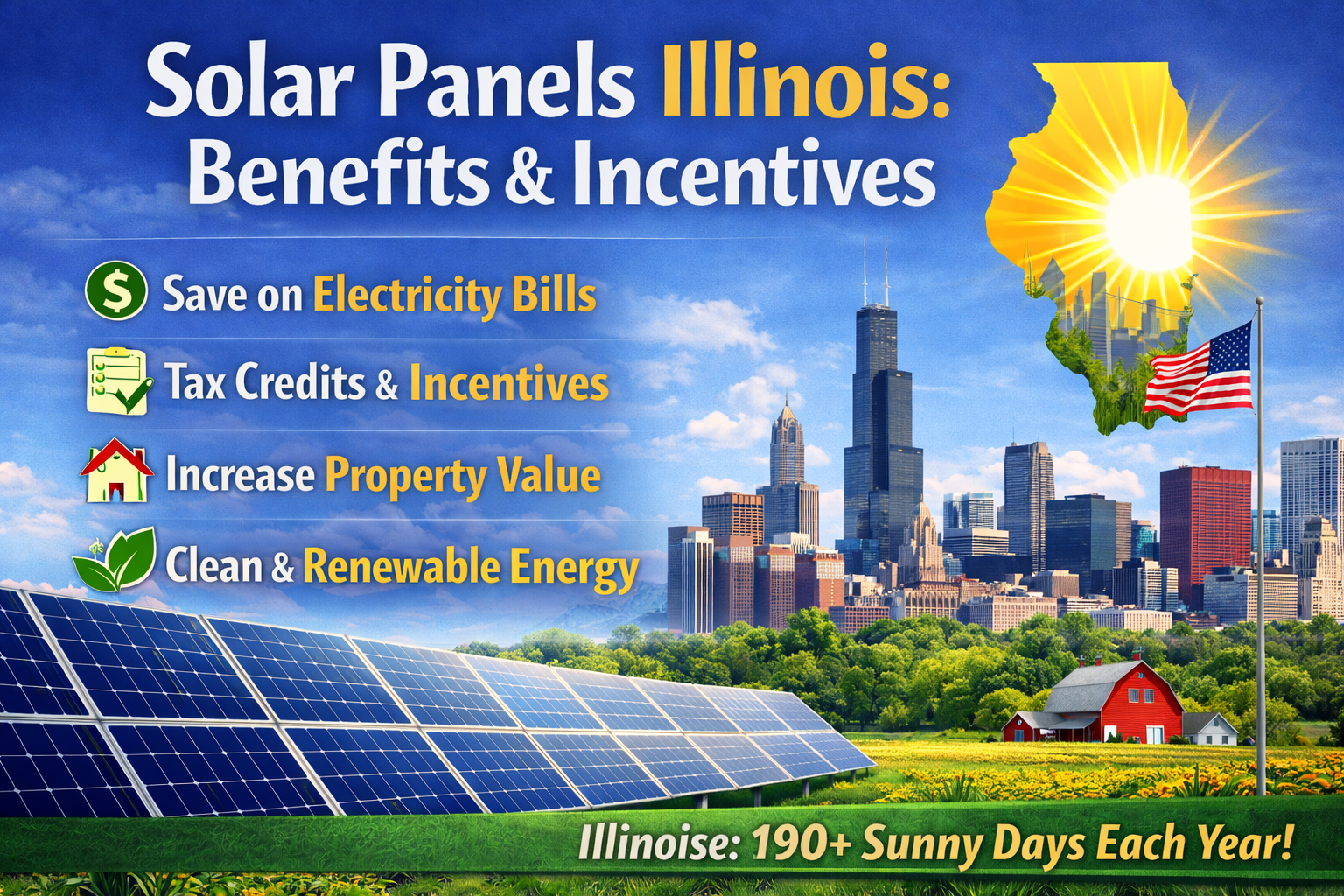
Solar panels are transforming energy use in Illinois. They offer a sustainable and cost-effective solution for homeowners and businesses.
Illinois is embracing solar energy with open arms. The state provides numerous incentives to encourage solar adoption.
These incentives make solar panels more affordable. They also offer long-term savings on electricity bills.
Solar energy is not just about saving money. It also reduces carbon footprints and promotes environmental sustainability.
Illinois aims to increase its renewable energy usage. Solar panels are a key part of this green initiative.
The installation process is straightforward. Many certified installers in Illinois ensure quality and efficiency.
Solar panels also increase property value. They make homes more attractive to potential buyers.
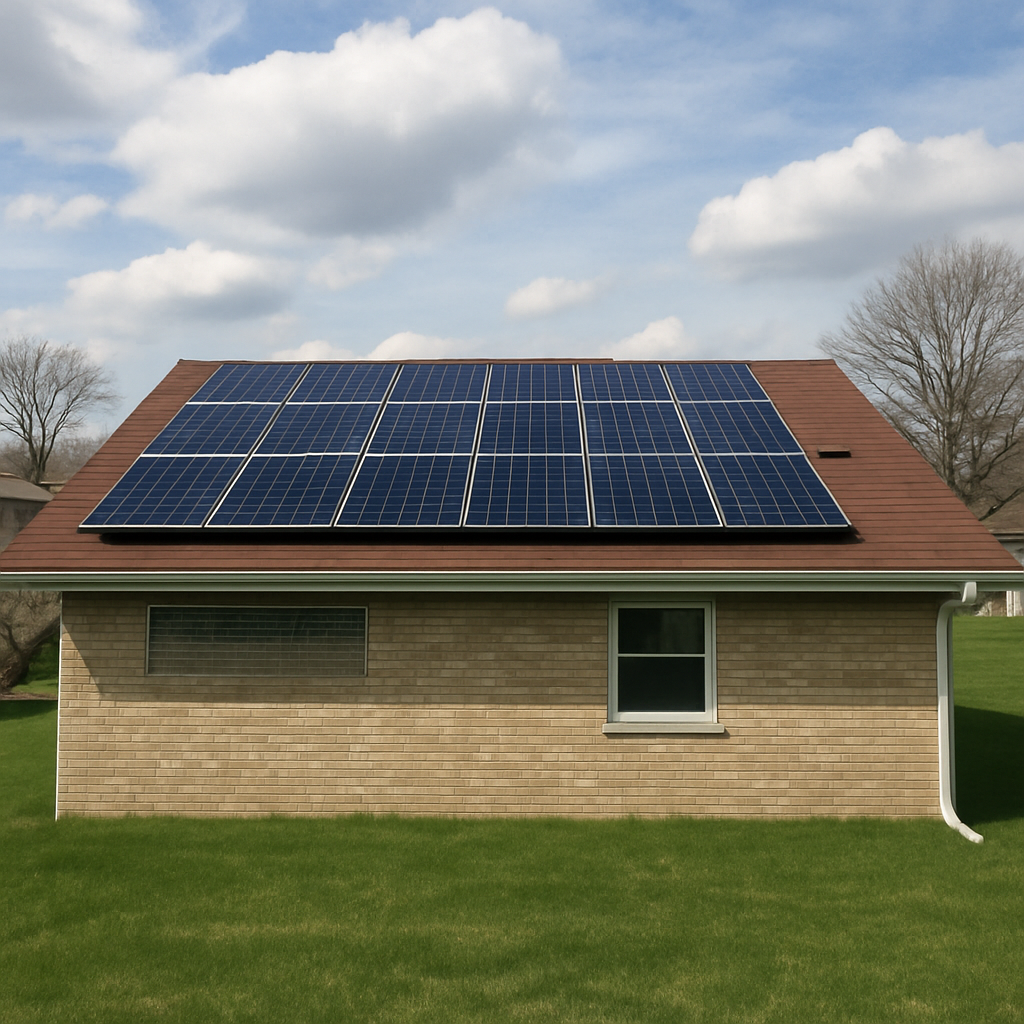
Why Go Solar in Illinois?
Illinois offers abundant sunlight, making solar power viable. This natural resource can significantly reduce your energy costs.
Transitioning to solar energy supports Illinois’ renewable energy goals. The state plans to achieve 25% renewable energy by 2025.
Solar panels provide energy independence. This independence protects against rising utility rates, bringing peace of mind.
Illinois also supports solar growth through policies and incentives. These initiatives make solar energy more accessible to residents.
List of reasons to go solar in Illinois:
- Lower energy bills
- Increase property value
- Contribute to sustainability
Environmental benefits are another significant factor. Solar power reduces reliance on fossil fuels, minimizing pollution.
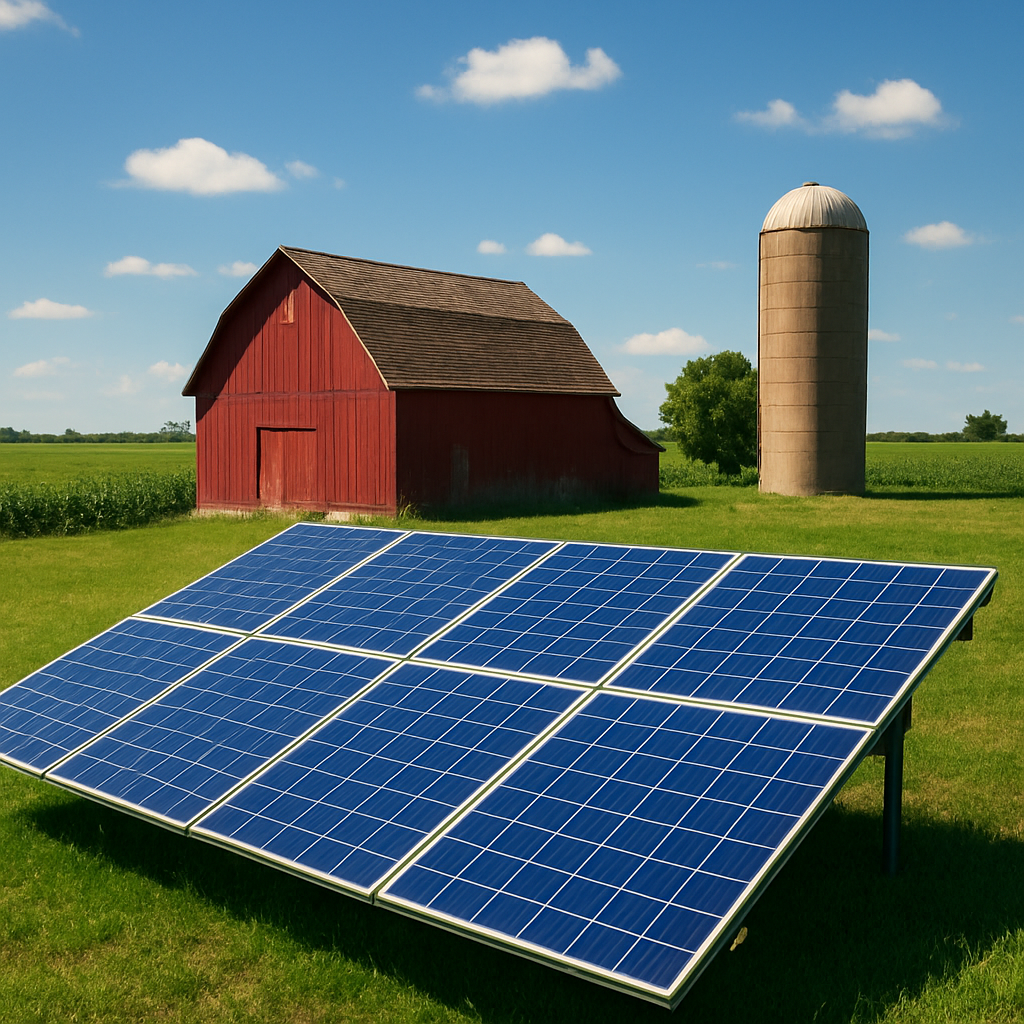
Financial Benefits of Solar Panels
Investing in solar panels in Illinois comes with several financial perks. The upfront costs may seem high, but the long-term savings are worth it.
One major benefit is the reduction in electricity bills. Installing solar panels can dramatically cut energy costs. Some homeowners even eliminate their bills entirely.
Over time, these savings add up. The average payback period is typically 6 to 8 years in Illinois. After this period, the energy generated is essentially free.
List of financial benefits:
- Reduced energy bills
- Quick payback period
- Long-term savings
Besides savings, Illinois offers attractive incentives. These include Solar Renewable Energy Credits and tax exemptions. Residents can also take advantage of federal tax credits.
Solar panels have become more affordable over the past decade. Decreasing costs make them a smart investment.
Illinois also offers net metering. This policy allows homeowners to sell excess energy back to the grid, creating another revenue stream.
With minimal maintenance, solar panels last 25 to 30 years. Their durability ensures continued financial benefits.

Lower Electricity Bills and Long-Term Savings
Electricity costs are a major concern for many residents. Solar panels help reduce these costs significantly.
By generating your own power, dependency on the grid decreases. This results in smaller or even negligible electricity bills.
Homeowners in Illinois see a noticeable drop in energy expenses. With fewer utility charges, savings accumulate over time.
List of savings benefits:
- Lower monthly expenses
- Protection against rising energy rates
- Accumulated savings over years
The initial investment in solar technology is quickly outweighed by these benefits. Over the lifespan of the panels, savings can be substantial.
Increased Property Value
Solar panels do more than save money. They also enhance property value. Homes with solar installations attract prospective buyers.
Real estate studies show solar-equipped homes sell faster. Buyers appreciate the long-term savings and sustainability.
In Illinois, solar installations signify energy efficiency. This adds appeal and potential buyers value these features.
Illinois Solar Incentives and Rebates
Illinois offers numerous incentives to support solar adoption. These programs make solar energy more accessible and affordable.
The Illinois Solar Renewable Energy Credit (SREC) program is a leading incentive. It allows homeowners to earn credits for the solar power they generate. These credits can be sold, providing extra income.
In addition to state programs, federal incentives are available. The federal solar tax credit reduces the upfront cost of solar installations significantly. This credit encourages more residents to switch to renewable energy.
Net metering is another important benefit in Illinois. It permits solar users to sell surplus energy back to the grid. This policy lowers electricity costs and incentivizes clean energy use.
List of top incentives:
- SREC Program
- Federal tax credits
- Net metering
State laws provide property tax exemptions for solar installations. This means solar systems won’t increase property tax bills, unlike other home improvements.
Sales tax exemptions further reduce installation costs. Residents don’t need to pay sales tax on solar panels, lowering their initial expenditure.
By taking advantage of these incentives, Illinois residents can save significantly. With reduced costs, more people can invest in solar solutions.
For business owners, there are additional advantages to adopting solar. Commercial entities benefit from the same array of incentives, amplifying their savings.
Illinois’ commitment to renewable energy is evident through these programs. As more residents utilize solar incentives, the state’s energy landscape evolves.
Illinois SREC Program
The Illinois SREC program is a vital tool for solar users. It rewards homeowners for every megawatt-hour of electricity generated.
These credits are tradable and can be sold, providing additional income. This program helps offset installation and maintenance costs.
SREC benefits:
- Earn credits for energy produced
- Sell credits for profit
- Offset installation costs
The program increases solar panel appeal by ensuring financial returns. It’s an excellent motivator for prospective solar users.
Federal Solar Tax Credit
The federal solar tax credit is another significant incentive. It reduces installation costs by providing a financial break.
This credit covers 26% of installation expenses. Reducing upfront costs makes solar more feasible for many residents.
Federal tax credit advantages:
- Lower initial investment
- Significant savings
- Encourages solar adoption
With this incentive, more Illinois residents can afford clean energy solutions. It’s a crucial driver behind the growing solar trend.
Net Metering in Illinois
Net metering policies in Illinois offer considerable benefits. Solar users can sell excess power back to the grid, cutting costs further.
This practice not only reduces bills but also provides additional revenue streams. It’s a flexible solution supporting solar energy use.
Net metering benefits include:
- Extra income source
- Lower utility bills
- Encourages efficient energy use
By implementing net metering, Illinois strengthens its support for solar technology.
Property and Sales Tax Exemptions
Illinois enhances solar appeal with tax exemptions. Property tax exemptions ensure solar additions don’t raise tax bills.
Furthermore, solar equipment is exempt from sales tax. These financial breaks lower installation costs and encourage solar use.
Environmental Impact of Solar Energy
Solar energy offers significant environmental benefits. By using sunlight, we reduce our reliance on fossil fuels.
This shift decreases carbon emissions, which contribute to climate change. As more homes adopt solar, air quality improves significantly.
Solar panels also conserve natural resources. They use sunlight, a renewable resource, cutting down on water and fossil fuel consumption.
Another benefit is the reduction in greenhouse gases. Conventional energy production releases harmful gases into the atmosphere, solar does not.
Key environmental benefits:
- Reduced carbon emissions
- Improved air quality
- Conservation of water resources
Solar panels operate quietly, adding zero noise pollution. As a clean energy source, they leave a minimal environmental footprint.
Community solar projects further enhance these benefits. By engaging groups, they maximize the environmental impact while encouraging collective responsibility.

by David Farkas (https://unsplash.com/@dfarkas0)
Switching to solar represents a commitment to the earth’s health. It’s an effective way to combat pollution and promote sustainability.
Solar Panel Installation Process in Illinois
Installing solar panels in Illinois is a straightforward process. It begins with an assessment of your energy needs.
A professional installer evaluates your roof’s condition and sun exposure. This helps determine the best system size and placement.
Next, you receive a detailed proposal, including costs and expected savings. This transparency ensures you’re informed every step of the way.
After agreements are signed, the installer handles necessary permits and approvals. This includes adhering to local codes and utility requirements.
Installation steps:
- Site assessment and design
- Proposal and budgeting
- Permit acquisition
- Installation of panels
- Connection to the grid
Once permits are in place, the actual installation is quick. It usually takes a few days, minimizing disruption to your home life.
by Kristian (https://unsplash.com/@kcky22)
Finally, the system is tested and commissioned. You’ll receive instructions on monitoring and maintenance to keep it efficient.
Choosing a Solar Installer
Selecting a qualified installer is crucial. Look for companies with experience and positive reviews.
Certified installers ensure quality, safety, and compliance with state guidelines. Research their credentials and past projects before deciding.
Consider these factors when choosing:
- Certification and experience
- Customer reviews and references
- Warranty and service agreements
A reputable installer provides clear communication. They should answer all questions about the process, costs, and expectations.
Timeline and What to Expect
Expect the entire process, from consultation to activation, to take a few weeks. Installation typically takes a few days.
Your patience ensures a smooth transition to clean energy. Trust the installer to guide you through each phase seamlessly.
Community Solar and Group Purchasing Programs
Community solar programs in Illinois allow residents to access solar energy without installing panels on their property. These programs help spread the benefits of solar power across communities.
By joining a community solar program, you subscribe to a share of a larger solar farm. This method brings you savings on your utility bill while contributing to renewable energy goals.
Group purchasing programs also help reduce costs. They leverage collective buying power to lower installation prices.
Benefits include:
- No need for personal installation
- Reduced energy costs
- Support for local clean energy initiatives
These programs offer a practical way to embrace solar energy. They provide financial and environmental advantages for those unable to install panels themselves.
Maintenance, Lifespan, and Performance of Solar Panels
Solar panels require minimal upkeep, often needing only periodic cleaning. Regular maintenance ensures optimal performance and longevity.
The average lifespan of solar panels ranges from 25 to 30 years. Their durability makes them a smart long-term investment for homeowners.
Performance can remain high even in less sunny climates, like Illinois. Solar panels are designed to operate effectively throughout their lifespan.
Key points:
- Minimal maintenance required
- Long lifespan (25-30 years)
- Reliable performance in varied weather conditions
by Kristaps Ungurs (https://unsplash.com/@kristapsungurs)
Embracing solar energy can be effortless with minimal demands for upkeep. The long-term reliability of panels adds to their appeal, offering consistent energy over decades.
Overcoming Common Myths About Solar in Illinois
Many people believe Illinois lacks sufficient sunlight for solar energy. However, modern solar panels perform well even in cloudy conditions.
Another myth is that solar panels are costly, yet dropping prices and incentives reduce the burden.
Key myths debunked:
- Insufficient sunlight
- High costs
- Complex installation process
Understanding these truths can help more Illinois residents make informed decisions about solar adoption. Dispelling misconceptions paves the way for cleaner energy.
How to Get Started with Solar in Illinois
Embarking on your solar energy journey in Illinois is straightforward. Begin by assessing your energy needs and potential savings.
Researching and choosing the right solar installer is crucial. They will help navigate the installation process and incentives.
Steps to get started:
- Assess energy use and savings potential
- Choose a reputable solar installer
- Explore financial incentives and programs
Taking these steps ensures a smooth transition to solar energy in Illinois, helping you benefit from long-term savings and environmental sustainability.
Conclusion: The Future of Solar in Illinois
The future of solar energy in Illinois looks bright. With growing support, more residents can harness solar benefits.
Continued investments and policy support are crucial. Embracing solar helps Illinois lead in renewable energy, fostering a sustainable future for its communities.